You clean laminate hardwood floors by removing loose dirt first, spot cleaning spills quickly, then using a lightly damp microfiber mop with a laminate-safe cleaner. Avoid soaking the floor, steam mops, bleach, ammonia, wax, oil soap, and abrasive scrubbers because moisture and harsh products can damage laminate seams, edges, and the protective wear layer.
Quick Summary
- Sweep, dust mop, or vacuum first.
- Use a microfiber mop, not a soaking wet string mop.
- Choose a laminate-safe or pH-neutral floor cleaner.
- Spray lightly instead of flooding the floor.
- Wipe spills quickly.
- Dry any damp areas right away.
- Avoid steam, bleach, ammonia, wax, oil soap, and abrasive pads.
- Check the flooring manufacturer’s care guide before using any new cleaner.
What Are Laminate Hardwood Floors?
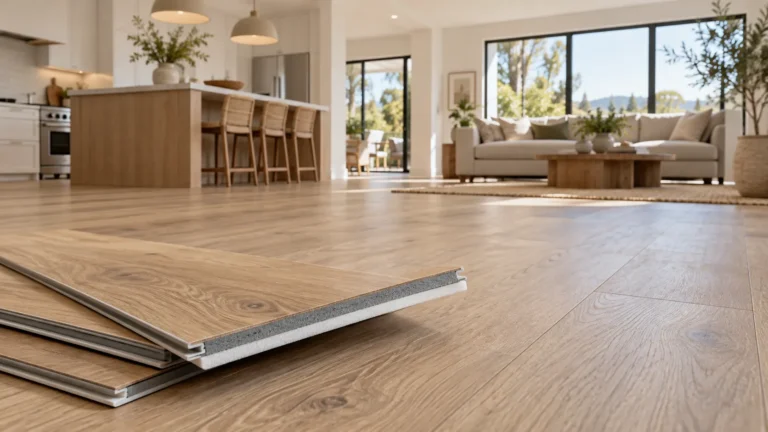
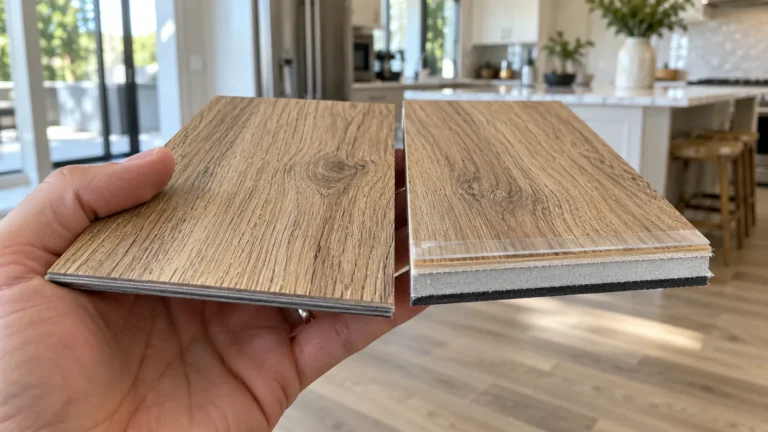
The phrase “laminate hardwood floors” is common, but technically laminate is not hardwood. Laminate flooring is a manufactured floor that often looks like hardwood. It usually has a printed wood-look design layer, a protective wear layer, and a fiberboard core.
This matters because laminate and real hardwood do not handle cleaning the same way. Hardwood has real wood at the surface. Laminate has a protective top layer, but the core can still be sensitive to water if moisture gets into seams, edges, damaged areas, or worn spots.
From a flooring point of view, the safest cleaning routine is one that removes grit without soaking the floor.
The Best Way to Clean Laminate Hardwood Floors
The best way to clean laminate hardwood floors is to dry-clean first, spot-clean sticky areas, then lightly damp mop with a laminate-approved cleaner.
Here is the simple method:
- Remove loose dirt with a soft broom, dry mop, or vacuum.
- Wipe spills and sticky spots with a microfiber cloth.
- Lightly spray a laminate-safe cleaner on the floor or mop pad.
- Mop with a microfiber mop.
- Dry any damp areas with a clean microfiber towel.
The most important rule is moisture control. Laminate can handle light cleaning, but it should not stay wet.
Tools and Cleaners You Need
For most homes, you do not need complicated tools. A simple laminate cleaning kit is enough.
| Tool or Product | Why It Helps |
| Microfiber dust mop | Removes dust and grit without scratching |
| Vacuum with hard-floor setting | Picks up crumbs, hair, and dirt from seams |
| Microfiber mop | Cleans with less water than a sponge or string mop |
| Laminate-safe cleaner | Helps clean without damaging the wear layer |
| Microfiber cloths | Useful for spills, pet messes, and sticky spots |
| Entry mats | Reduce grit before it reaches the floor |
| Felt furniture pads | Help prevent scratches from chairs and furniture |
A common mistake homeowners make is using too much product. More cleaner does not always mean cleaner floors. Too much cleaner can leave residue, streaks, or a dull film.
How to Clean Laminate Hardwood Floors Step by Step
Step 1: Remove Loose Dirt First

Start with dry cleaning. Use a soft broom, microfiber dust mop, or vacuum with a hard-floor setting.
Loose grit is one of the main reasons laminate floors look dull. Sand, dirt, crumbs, and pet debris can act like fine sandpaper when people walk across the floor.
If you vacuum, turn off the beater bar or use a hard-floor attachment. A rough spinning brush can leave marks on some laminate finishes.
Step 2: Spot Clean Spills and Sticky Areas

Before mopping the whole floor, look for spills, food spots, paw prints, or sticky areas.
Use a damp microfiber cloth and gently wipe the spot. Do not pour water directly on the floor. For sticky residue, use a small amount of laminate-safe cleaner on the cloth instead of soaking the floor.
For dried food or mud, soften the spot with a lightly damp cloth for a short time, then wipe it away. Do not scrape aggressively with metal tools.
Step 3: Lightly Spray the Cleaner

Spray a laminate-safe cleaner lightly on the mop pad or a small floor section. Do not flood the floor.
This matters because laminate planks usually have seams. If too much liquid sits on those seams, it can work into the edges and cause swelling, lifting, or bubbling.
Step 4: Mop With a Microfiber Mop

Use a microfiber mop and work in sections. Move with the direction of the planks when possible. This helps pick up dirt from the plank lines and reduces streaks.
The mop should feel slightly damp, not wet. If you can see puddles, streaks of water, or liquid sitting on the floor, you are using too much moisture.
Step 5: Dry the Floor Quickly

After damp mopping, check for wet areas near seams, baseboards, cabinets, doorways, and appliance edges. Dry those spots with a clean microfiber towel.
In real homes, moisture problems often happen near kitchens, pet bowls, entry doors, bathrooms, and laundry areas. Those are the areas to watch most closely.
How Often Should You Clean Laminate Floors?
How often you clean laminate floors depends on traffic, pets, children, dust, and room use.
| Cleaning Task | Suggested Frequency |
| Dry mop or sweep | Daily or every few days in busy rooms |
| Vacuum | Weekly, or more often with pets |
| Spot clean spills | Immediately |
| Light damp mop | Weekly or every 1–2 weeks |
| Deeper clean | Monthly or as needed |
| Check furniture pads and entry mats | Monthly |
A low-traffic bedroom may only need light cleaning. A kitchen, hallway, rental unit, or pet-friendly home may need cleaning more often.
How to Deep Clean Laminate Hardwood Floors

Deep cleaning laminate floors should still be low-moisture. Deep clean does not mean soaking the floor.
A safe deep-cleaning method is:
- Vacuum or dry mop carefully.
- Move light furniture and rugs.
- Spot clean sticky areas.
- Use a laminate-safe cleaner.
- Mop with a slightly damp microfiber mop.
- Dry the floor with a clean cloth.
- Put rugs and furniture back only after the floor is fully dry.
Do not use a bucket of water and a soaking wet mop. If your floor is very dirty, clean it in two light passes instead of one wet pass.
How to Clean Sticky or Streaky Laminate Floors
Sticky or streaky laminate floors usually happen because of too much cleaner, soap residue, dirty mop pads, hard water, or too much moisture.
To fix streaks:
- Use a clean microfiber mop pad.
- Do not use too much cleaner.
- Work in small sections.
- Dry the floor after mopping.
- Avoid cleaners that leave shine, oil, wax, or polish unless the manufacturer allows them.
To fix sticky residue:
- Wipe the area with a damp microfiber cloth.
- Use a small amount of laminate-safe cleaner.
- Dry the area right away.
- Repeat gently if needed.
Do not scrub with steel wool, rough pads, or abrasive powders. These can scratch or dull the protective surface.
Can You Mop Laminate Hardwood Floors?

Yes, you can mop laminate floors, but the mop must be lightly damp. A microfiber mop is usually safer than a sponge mop, string mop, or steam mop.
The goal is to clean the surface without forcing water into the seams. If your mop leaves visible water behind, wring it out more or switch to a spray mop.
A good test is simple: after mopping, the floor should dry quickly. If it stays wet for several minutes, you are using too much liquid.
What Should You Avoid on Laminate Floors?
Avoid anything that can damage the wear layer, leave residue, or force moisture into the floor.
| Avoid | Why It Can Be a Problem |
| Steam mop | Heat and moisture can damage seams and core |
| Soaking wet mop | Too much water can cause swelling or bubbling |
| Bleach | Can discolor or damage the surface |
| Ammonia | Can dull or damage the finish |
| Abrasive scrub pads | Can scratch the wear layer |
| Wax | Can leave buildup and haze |
| Oil soap | Can leave slippery residue |
| Floor polish not approved for laminate | Can cause streaks or uneven shine |
| Harsh all-purpose cleaners | May damage the protective layer |
Before using any product, check the label and the flooring manufacturer’s instructions.
Can You Use Vinegar on Laminate Hardwood Floors?

Some homeowners use diluted vinegar on laminate floors, but it is not always the best option. Vinegar is acidic, and strong vinegar mixtures can dull some finishes over time.
If your floor manufacturer allows vinegar, use it only in a very diluted mixture and never leave the floor wet. Test first in a hidden area.
For regular cleaning, a laminate-safe pH-neutral cleaner is usually a safer choice than homemade mixes.
Can You Steam Clean Laminate Hardwood Floors?

No, you should not steam clean most laminate hardwood floors unless the manufacturer clearly says it is safe. Steam uses heat and moisture, and both can be risky for laminate.
Steam can enter plank seams, edges, or damaged areas. Over time, this may cause swelling, bubbling, lifting, dullness, or seam damage.
This is especially risky in older laminate floors, cheaper laminate, floors with gaps, floors near kitchens or bathrooms, and any laminate with existing scratches or worn edges.
Laminate vs Hardwood Floor Cleaning
Laminate and hardwood may look similar, but they are not the same material.
| Cleaning Question | Laminate Floors | Hardwood Floors |
| Is it real wood? | No, it is manufactured wood-look flooring | Yes, hardwood has real wood at the surface |
| Can it be sanded? | Usually no | Sometimes, depending on thickness |
| Main cleaning risk | Water getting into seams and core | Water damaging wood or finish |
| Best mop type | Lightly damp microfiber mop | Lightly damp microfiber mop |
| Steam safe? | Usually no | Usually no |
| Best cleaner | Laminate-safe cleaner | Wood-safe cleaner |
If your home has both laminate and real wood flooring, do not assume one cleaner works for both. For real wood care, read our how to clean hardwood floor guide before using the same method on hardwood.
For more wood floor care questions, scratches, stains, moisture concerns, and maintenance topics, you can also explore our hardwood flooring FAQs section.
Room-Specific Cleaning Advice
Kitchen Laminate Floors

Kitchen laminate floors collect crumbs, grease, water drops, pet bowl spills, and chair marks. Sweep or vacuum often and use mats near the sink and dishwasher.
Wipe spills quickly, especially around the sink, refrigerator, dishwasher, and stove. Do not leave wet mats on laminate floors.
Bathroom Laminate Floors

Laminate is not usually the best choice for full bathrooms unless the product is rated for that room. Bathroom moisture can enter seams and edges.
If laminate is already installed in a bathroom, use bath mats carefully, dry water quickly, run ventilation, and avoid leaving damp towels or wet rugs on the floor.
Entryways and Mudrooms

Entryways bring in grit, salt, mud, and water. Use a good doormat outside and inside the entry. Dry wet footprints quickly.
In snowy or rainy areas of the USA, this matters because road salt and moisture can dull or damage floors faster.
Pet Homes

For pet homes, clean accidents right away. Pet urine can leave odor, stains, or moisture damage if it sits on the floor.
Use a laminate-safe pet cleaner if needed. Avoid soaking the area. Blot first, clean lightly, then dry thoroughly.
Rental Homes
For renters and landlords, laminate floors are common because they are affordable and easy to maintain. The biggest cleaning issue is usually tenant use of the wrong mop or cleaner.
A simple written cleaning guide can help prevent damage. Tell renters not to steam mop, wax, or soak laminate floors.
Product Buying Factors
If you are buying a cleaner or mop for laminate floors, look for practical features rather than marketing claims.
Good buying factors include:
- Label says safe for laminate floors.
- pH-neutral or gentle formula.
- No wax or oil residue.
- Spray bottle or controlled spray mop.
- Fast-drying formula.
- Reusable microfiber pads.
- No harsh bleach or ammonia.
- Works for sealed hard surfaces if your floor allows it.
- Clear manufacturer instructions.
For affiliate content, laminate-safe spray cleaners, microfiber mop systems, vacuum hard-floor attachments, and felt furniture pads are natural product opportunities. Keep recommendations helpful and avoid pushing products that are unnecessary.
Maintenance Tips to Keep Laminate Floors Clean Longer
Good daily habits make laminate easier to clean.
- Use mats at exterior doors.
- Remove shoes if they track in grit.
- Use felt pads under chair legs.
- Lift furniture instead of dragging it.
- Keep pet nails trimmed.
- Wipe spills quickly.
- Use dry dusting before damp mopping.
- Wash or replace dirty mop pads.
- Avoid leaving wet rugs on the floor.
- Follow the flooring warranty and care instructions.
This matters because most laminate floor damage is not caused by one careful cleaning. It usually comes from repeated moisture, grit, wrong cleaners, or furniture movement over time.
When Laminate Floor Damage May Need Repair

Cleaning can improve dirt, streaks, sticky residue, and mild surface marks. But some problems cannot be cleaned away.
You may need repair or plank replacement if you see:
- Swollen plank edges
- Bubbling surface
- Warped or lifted boards
- Black or dark moisture stains near seams
- Soft spots underfoot
- Peeling wear layer
- Large gaps between planks
- Water damage near appliances or bathrooms
If the floor is swollen from water, do not keep mopping it. Find the moisture source first. Cleaning a damaged laminate floor with more liquid can make the problem worse.
Final Expert Recommendation
The safest way to clean laminate hardwood floors is to keep the routine simple: dry clean first, spot clean spills, lightly damp mop with a laminate-safe cleaner, and dry the floor quickly. Do not treat laminate like tile, and do not treat it exactly like hardwood.
At EveryFAQ, the practical rule is simple: if a cleaning method leaves laminate wet, slippery, cloudy, or sticky, it is probably the wrong method. Use less liquid, softer tools, and manufacturer-approved cleaners.
For more flooring cleaning, repair, maintenance, and homeowner questions, visit our all flooring faqs page.
Related FAQs
What is the best thing to clean laminate hardwood floors with?
The best thing to clean laminate hardwood floors with is a microfiber mop and a laminate-safe cleaner. For daily care, use a dry mop, soft broom, or vacuum with a hard-floor setting. For damp cleaning, use very little liquid and dry the floor quickly.
Can you use a wet mop on laminate floors?
You can use a lightly damp mop on laminate floors, but you should not use a soaking wet mop. Too much water can enter seams and edges, which may cause swelling, bubbling, or plank damage.
Can you clean laminate floors with just water?
You can use a small amount of water for light cleaning, but water alone may not remove grease, sticky residue, or buildup. If you use water, keep the mop barely damp and dry the floor right away.
Why do my laminate floors look streaky after mopping?
Laminate floors often look streaky after mopping because of too much cleaner, dirty mop pads, soap residue, hard water, or too much moisture. Use less cleaner, clean the mop pad, work in small sections, and dry the floor after mopping.
Can you use vinegar to clean laminate floors?
Some manufacturers may allow very diluted vinegar, but strong vinegar mixtures can dull certain finishes. A laminate-safe pH-neutral cleaner is usually a safer regular choice. Always test first in a hidden spot.
Can you steam mop laminate hardwood floors?
You should not steam mop most laminate hardwood floors. Steam adds heat and moisture, which can enter plank seams and cause swelling, bubbling, lifting, or finish damage.
How do you clean pet urine from laminate floors?
Blot pet urine quickly with paper towels or a microfiber cloth. Use a laminate-safe pet cleaner if needed, wipe gently, and dry the area well. Do not soak the floor because urine and water can both enter seams.
How often should laminate floors be mopped?
Laminate floors can usually be lightly damp mopped weekly or every two weeks, depending on traffic. High-use kitchens, hallways, and pet areas may need more frequent spot cleaning, while bedrooms may need less.
Can you make laminate floors shine again?
You can improve dull laminate floors by removing residue, using a clean microfiber mop, and cleaning with a laminate-safe product. Do not use wax or oil polish unless the flooring manufacturer clearly approves it.
What should you not use on laminate floors?
Do not use steam mops, soaking wet mops, bleach, ammonia, abrasive pads, steel wool, wax, oil soap, or harsh cleaners on laminate floors. These can cause moisture damage, dullness, scratches, residue, or finish problems.