No, you should not steam clean most hardwood floors. Steam uses heat and moisture, which can enter seams, scratches, worn finish, gaps, or damaged boards. This may cause dulling, cupping, swelling, warping, staining, delamination, or warranty problems. A lightly damp microfiber mop with a wood-safe cleaner is usually safer.
Quick Summary
For most USA homeowners, the safest answer is simple:
- Do not use a steam mop on hardwood floors.
- Avoid steam on engineered hardwood, unsealed wood, unfinished wood, waxed wood, and older worn floors.
- Steam may damage the finish, seams, edges, or wood surface.
- Even sealed hardwood can have scratches or worn areas where moisture enters.
- Always check the manufacturer’s care guide and warranty.
- Use a microfiber mop and pH-neutral hardwood floor cleaner instead.
Steam mops are useful on some hard surfaces, but hardwood is different. Wood reacts to heat and moisture. That is why a cleaning tool that works well on tile can create problems on wood floors.
Why Steam Cleaning Hardwood Floors Is Risky

Steam cleaning looks attractive because it feels fast, chemical-free, and powerful. The problem is that steam is not just “dry cleaning.” It is heated water vapor.
From a flooring point of view, hardwood floors are vulnerable in three places:
- Board seams
- Scratches or worn finish
- Edges and gaps
If steam reaches those areas, moisture can enter the wood. Heat can also soften or weaken some finishes. One steam cleaning session may not always show damage immediately, but repeated use can slowly dull the surface or create moisture problems.
A common mistake homeowners make is thinking sealed hardwood is fully waterproof. A sealed hardwood floor has a protective finish, but it is not the same as tile or waterproof vinyl.
What Happens When Steam Gets Into Hardwood Floors?
When steam enters wood flooring, several problems can happen:
| Problem | What It Means |
| Cupping | Board edges rise higher than the center |
| Warping | Boards lose their flat shape |
| Swelling | Wood expands from moisture exposure |
| Buckling | Flooring lifts or separates from the subfloor |
| Dull finish | Heat and moisture weaken the surface sheen |
| Cloudy spots | Moisture or cleaner residue affects the finish |
| Delamination | Engineered layers separate from moisture or heat |
| Warranty issues | Some manufacturers may not cover steam damage |
The risk is higher when floors are older, scratched, poorly sealed, heavily worn, or installed in humid rooms.
Can You Steam Clean Sealed Hardwood Floors?

Even sealed hardwood floors should be steam cleaned only if the flooring manufacturer clearly says it is allowed. Many sealed floors still have tiny scratches, worn traffic paths, open seams, or edge gaps where steam can enter.
If your hardwood care guide says “no steam mops,” follow that instruction. If the guide does not mention steam, do not assume it is safe.
The safer choice is a microfiber mop that is damp, not wet, with a hardwood-safe pH-neutral cleaner.
Can You Steam Clean Engineered Hardwood Floors?

No, you should not steam clean most engineered hardwood floors.
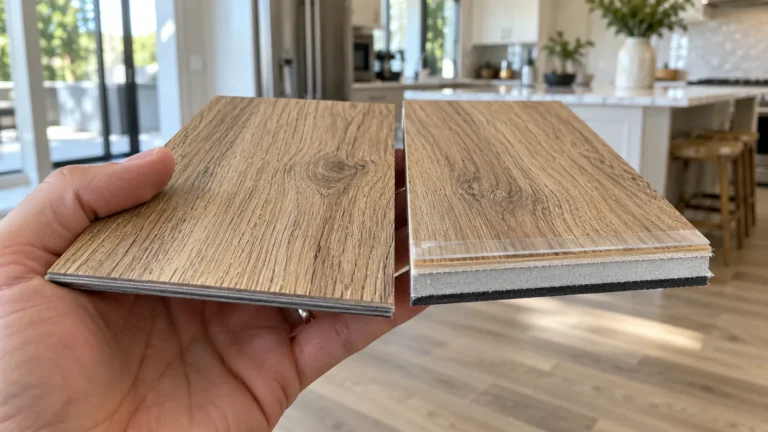
Engineered hardwood has a real wood veneer on top with a layered core underneath. Heat and moisture from steam can affect the veneer, seams, edges, and core. In some cases, too much moisture can cause swelling, warping, or delamination.
This matters because engineered hardwood cannot always be sanded and repaired like thick solid hardwood. If the top veneer is damaged, repair options may be limited.
For engineered hardwood, use a dry dust mop, hard-floor vacuum setting, microfiber mop, and approved wood floor cleaner.
Can You Steam Clean Laminate Hardwood Floors?

The phrase “laminate hardwood floors” is often used by homeowners, but laminate is not real hardwood. It is usually a wood-look floor with a fiberboard core.
Steam cleaning laminate wood-look floors is risky because moisture can enter seams and cause swelling, bubbling, edge lifting, or plank damage. Some newer laminate floors are more water-resistant, but steam is still different from a normal spill.
Check the manufacturer’s instructions before using any steam mop on laminate. If the floor is older, damaged, or not rated for steam cleaning, avoid it.
Can You Steam Clean Unsealed Hardwood Floors?

No, you should never steam clean unsealed hardwood floors.
Unsealed wood can absorb moisture quickly. When steam hits unsealed hardwood, the wood may darken, swell, stain, or warp. Because there is no strong protective finish, steam can enter the surface more easily.
If you are not sure whether your floor is sealed, test a small hidden area with a few drops of water. If the water absorbs quickly or darkens the wood, avoid wet cleaning and steam cleaning.
Can You Steam Clean Unfinished Hardwood Floors?

No, unfinished hardwood floors should not be steam cleaned.
Unfinished hardwood has no final protective coating. Steam can enter the raw wood surface and cause stains, swelling, roughness, or long-term moisture damage. These floors should usually be kept dry until they are properly finished or sealed.
For unfinished hardwood, use dry dusting, gentle vacuuming, and professional guidance for stains or deep cleaning.
Can You Steam Clean Waxed Hardwood Floors?

No, steam cleaning waxed hardwood floors is not recommended.
Heat and moisture can soften or strip wax, create cloudy spots, and leave the floor uneven. Waxed floors need care methods designed for wax finishes, not steam.
If your floor has a wax finish, avoid steam mops, harsh cleaners, and random polish products. Use a cleaner approved for waxed wood floors and follow the maintenance instructions carefully.
Can You Steam Clean Prefinished Hardwood Floors?

Most prefinished hardwood floors should not be steam cleaned unless the manufacturer specifically allows it.
Prefinished hardwood usually has a strong factory-applied coating, but seams and edges are still vulnerable. Steam may reach between boards, especially if the floor has gaps, scratches, or worn traffic areas.
For prefinished hardwood, use a dust mop, hard-floor vacuum setting, microfiber mop, and cleaner approved for prefinished wood floors.
Can You Steam Clean a Rug on Hardwood Floors?

Be careful. Steam cleaning a rug while it is sitting on hardwood floors can push moisture through the rug and into the wood floor underneath.
This can be risky because the hardwood may stay damp under the rug where air cannot dry it quickly. Moisture trapped under rugs can lead to staining, finish damage, odor, or discoloration.
Safer options:
- Remove the rug from the hardwood floor.
- Clean the rug in a safe area.
- Let the rug dry fully.
- Make sure the hardwood floor is dry before placing the rug back.
Do not steam clean thick rugs directly over hardwood flooring.
Can You Steam Clean Cat Poop Off Hardwood Floors?
No, do not use a steam cleaner as the first step for cat poop on hardwood floors.
Steam adds moisture and heat, and it can push residue into seams or damaged finish areas. It may also spread contamination if the mess is not removed first.
Use this safer method:
- Remove solid waste carefully.
- Blot the area with paper towels.
- Clean with a wood-safe cleaner.
- Use a pet-safe disinfecting product only if it is approved for sealed hardwood.
- Dry the area completely.
- Check for odor or staining.
If the mess entered gaps or caused dark staining, you may need professional help.
How Often Can You Steam Clean Hardwood Floors?
For most hardwood floors, the answer is never.
If a specific flooring manufacturer clearly allows steam cleaning, follow the care guide exactly. Even then, steam should not be used frequently. Regular steam cleaning can expose the floor to repeated heat and moisture, which increases long-term risk.
A safer routine is:
- Dust mop often
- Vacuum weekly
- Damp mop only when needed
- Clean spills immediately
- Use a wood-safe cleaner
Do not make steam cleaning part of your normal hardwood maintenance routine.
What Should You Use Instead of Steam on Hardwood Floors?
Use gentle cleaning methods that control moisture.
Best tools:
- Microfiber dust mop
- Soft broom
- Vacuum with hard-floor setting
- Microfiber damp mop
- pH-neutral hardwood floor cleaner
- Dry microfiber cloth
Best method:
- Remove dust and grit.
- Vacuum with the beater bar off.
- Spot-clean sticky areas.
- Lightly damp mop with wood-safe cleaner.
- Dry any wet spots quickly.
Instead of using steam, a safer routine is to remove grit first, use a lightly damp microfiber mop, and choose a wood-safe cleaner. For a full step-by-step routine, read our guide on how to clean hardwood floor before trying stronger cleaning methods.
What Should You Avoid on Hardwood Floors?
Avoid these unless your flooring manufacturer specifically allows them:
- Steam mops
- Wet mops
- Bleach
- Ammonia
- Abrasive scrub pads
- Steel wool
- Excess water
- Strong vinegar mixtures
- Wax on non-wax floors
- Oil soap used too often
- Generic cleaners not approved for wood
The wrong cleaner can leave residue, dull the finish, or create long-term damage.
How to Tell If Your Hardwood Floor Is Too Risky for Steam
Do not use steam if your floor has:
- Open seams
- Cracks between boards
- Worn finish
- Scratches
- Gaps
- Loose boards
- Cupping
- Water stains
- Cloudy finish
- Older wax finish
- Unsealed or unfinished wood
Also avoid steam if the flooring warranty says steam cleaning is not allowed.
What If You Already Used a Steam Mop?

If you already used a steam mop once, do not panic. One use does not always cause visible damage. But stop using steam and inspect the floor carefully.
Look for:
- Cloudy patches
- Raised edges
- Cupping
- New gaps
- Dull finish
- Sticky surface
- Dark stains
- Boards lifting or swelling
If you notice any of these problems, stop wet cleaning and let the area dry. For serious damage, ask a flooring professional to inspect the floor before applying more cleaners or polish.
When Should You Call a Professional?

Call a flooring professional if:
- Boards are cupping or buckling
- The floor has dark water stains
- The finish is cloudy or peeling
- Moisture entered seams or gaps
- Pet waste entered the boards
- The floor is waxed and you are unsure how to clean it
- You do not know whether the floor is sealed
- The floor has already been damaged by steam
Professional inspection is safer than guessing, especially with older hardwood, engineered wood, or expensive prefinished floors.
Final Expert Recommendation
Do not steam clean hardwood floors unless your floor manufacturer clearly says it is safe for your exact product. For most solid hardwood, engineered hardwood, unsealed hardwood, unfinished hardwood, waxed hardwood, and prefinished hardwood, steam creates more risk than benefit.
Hardwood floors last longer when moisture is controlled. Use a microfiber mop, wood-safe cleaner, and quick drying instead of heat and steam.
At EveryFAQ, the safest homeowner advice is simple: treat hardwood like wood, not tile. Keep it clean with gentle tools, avoid soaking it, and protect the finish before damage starts. For more helpful answers about cleaning mistakes, stains, moisture problems, maintenance, repair, and safe products, explore our complete hardwood flooring FAQs section before trying any stronger cleaning method.
FAQs
Can you steam clean engineered hardwood floors?
No, most engineered hardwood floors should not be steam cleaned. Steam can affect the veneer, seams, core layers, and finish.
Can you steam clean laminate hardwood floors?
Laminate wood-look floors should usually not be steam cleaned unless the manufacturer clearly allows it. Moisture can enter seams and cause swelling.
Can you steam clean unsealed hardwood floors?
No. Unsealed hardwood can absorb steam quickly, which may cause staining, swelling, or warping.
Can you steam clean unfinished hardwood floors?
No. Unfinished hardwood has no protective finish, so steam can damage the raw wood surface.
Can you steam clean waxed hardwood floors?
No. Steam can soften, strip, or cloud a wax finish.
Can you steam clean prefinished hardwood floors?
Usually no. Prefinished floors have strong coatings, but seams and edges can still be damaged by steam.
Can you steam clean a rug on hardwood floors?
Avoid steam cleaning a rug directly on hardwood. Moisture can pass through the rug and get trapped against the wood.
Can you steam clean cat poop off hardwood floors?
No. Remove the waste first, clean with a wood-safe cleaner, dry the area, and avoid pushing moisture into seams with steam.
How often can you steam clean hardwood floors?
For most hardwood floors, never. Use dry dusting, vacuuming, and light damp mopping instead.