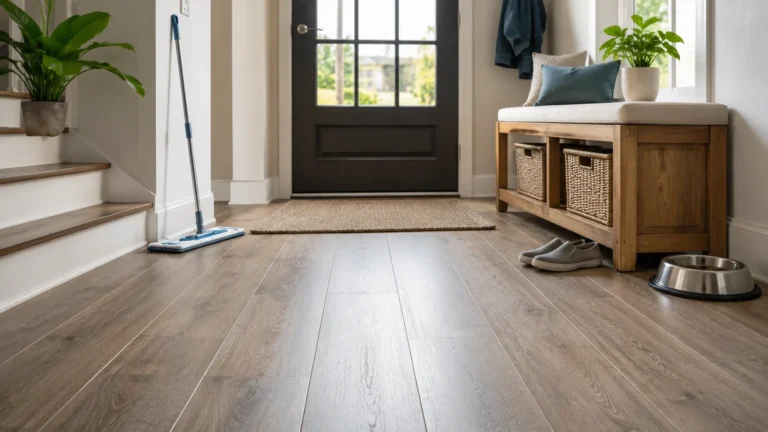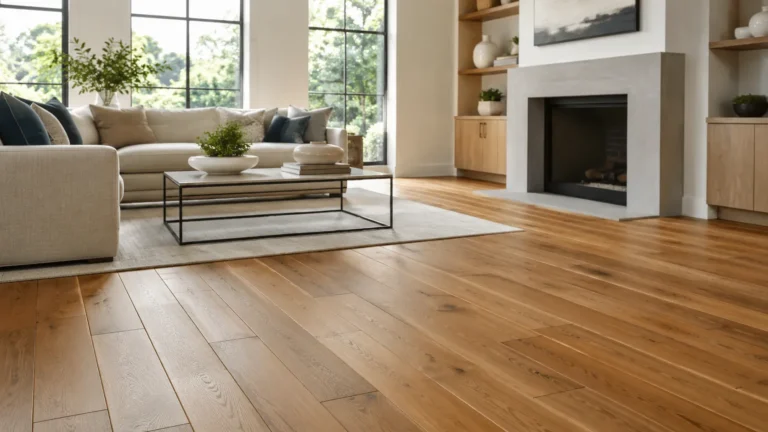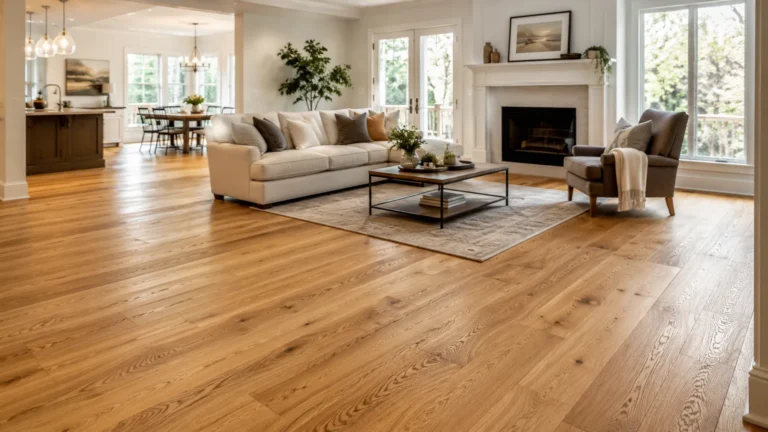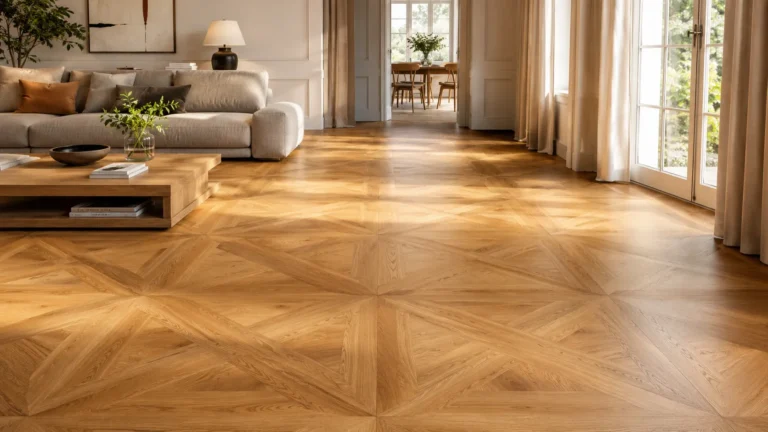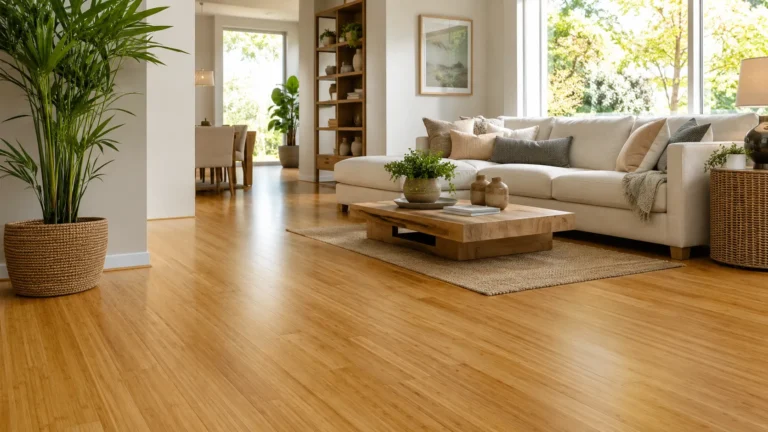
Choosing flooring is not just about picking a color you like. The right floor depends on the room, moisture level, subfloor condition, foot traffic, pets, kids, cleaning habits, budget, and how long you expect the floor to last.
Quick answer: The best flooring for most homes depends on where it will be installed. Luxury vinyl plank and tile are practical for kitchens, bathrooms, basements, pets, and busy homes. Hardwood works best in dry living spaces where long-term value matters. The tile is excellent for wet areas. Carpets are still useful for bedrooms where comfort and sound control matter.
From field experience, most flooring mistakes happen because homeowners choose by appearance first and performance second. A floor can look beautiful in a showroom and still fail in a damp basement, busy kitchen, or uneven subfloor.
What Is Flooring?
Flooring is the finished surface installed over a subfloor to make a room usable, comfortable, safe, and attractive. Common flooring materials include hardwood, engineered wood, vinyl, laminate, tile, carpet, linoleum, concrete, cork, and bamboo.
A good flooring choice should match:
- The room’s moisture level
- Daily foot traffic
- Subfloor condition
- Cleaning needs
- Comfort underfoot
- Scratch and dent resistance
- Installation method
- Repairability
- Budget
- Long-term maintenance
Main Types of Flooring
Choosing the right flooring starts with understanding the main flooring types available for homes and commercial spaces. Each material has different strengths, costs, maintenance needs, and room suitability. Some floors work better in wet areas, while others are better for comfort, durability, or long-term home value.
Below are the most common flooring types homeowners should compare before making a decision.
Hardwood Flooring
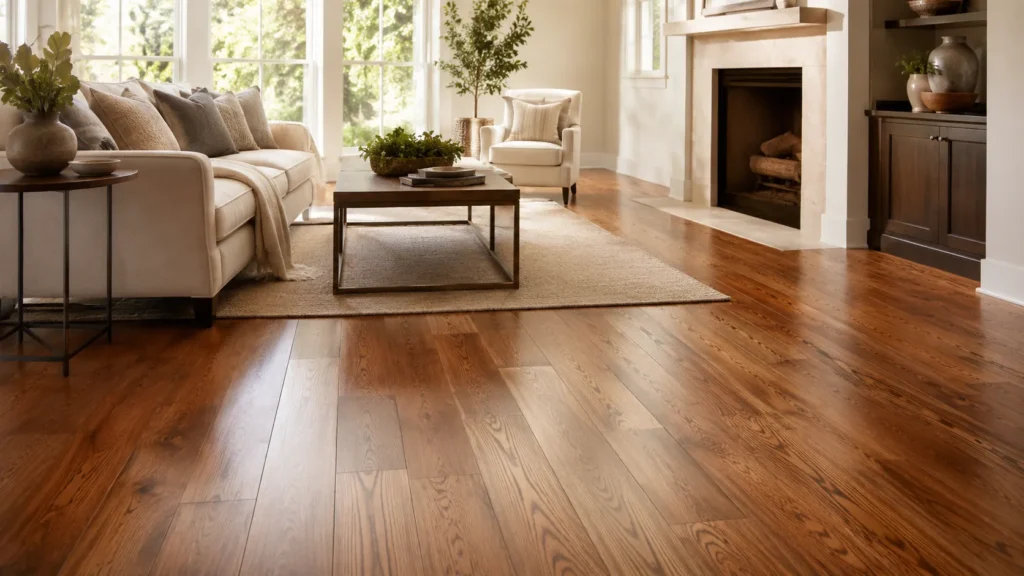
Hardwood flooring is one of the most classic and valuable flooring options. It is made from real wood and is known for its natural beauty, warmth, and long lifespan. Hardwood works especially well in living rooms, bedrooms, dining rooms, hallways, and other dry areas of the home.
From practical flooring experience, hardwood is best when the room has stable moisture levels and the subfloor is properly prepared. It can add character and resale appeal, but it is not the best choice for bathrooms, wet basements, or areas where standing water is common.
Best for: living rooms, bedrooms, dining rooms, hallways
Avoid in: bathrooms, damp basements, laundry rooms
Pros:
- Natural and timeless appearance
- Can increase home appeal
- Long-lasting with proper care
- Can often be refinished
Cons:
- Higher upfront cost
- Can scratch or dent
- Sensitive to moisture
- Usually needs professional installation
Vinyl Flooring
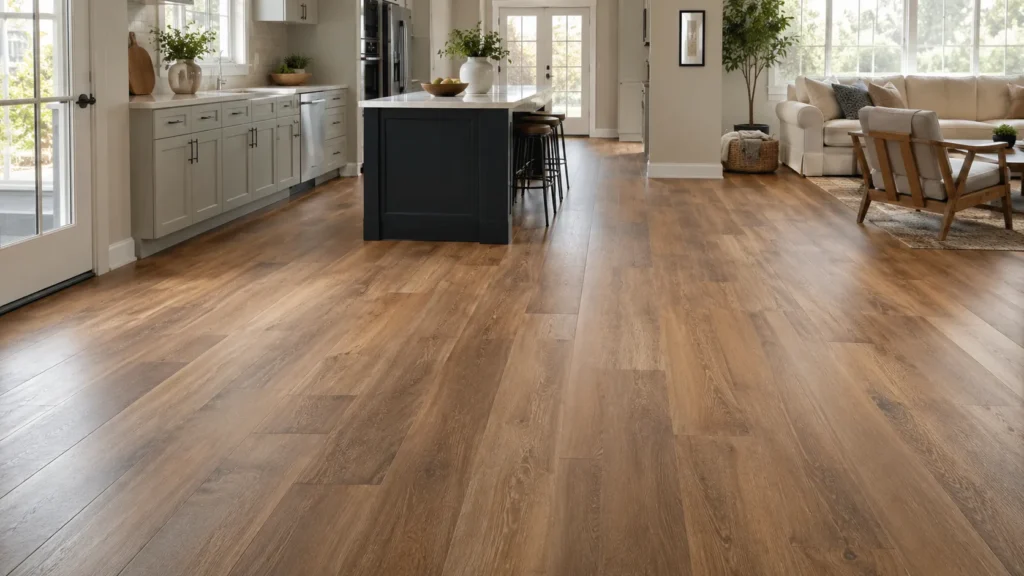
Vinyl flooring is a popular choice because it is affordable, water-resistant, easy to clean, and available in many wood-look and stone-look styles. Modern vinyl flooring includes sheet vinyl, luxury vinyl plank, and luxury vinyl tile.
Vinyl is one of the most practical choices for busy homes because it can handle spills, pets, kids, and daily traffic better than many traditional materials. It is commonly used in kitchens, bathrooms, basements, laundry rooms, and rental properties.
One common mistake homeowners make is choosing vinyl only by design. Before buying, always check the wear layer, thickness, waterproof rating, warranty, and installation method.
Best for: kitchens, bathrooms, basements, laundry rooms, pet homes
Avoid in: areas with extreme heat or poor subfloor preparation
Pros:
- Water-resistant or waterproof depending on product
- Budget-friendly
- Easy to clean
- Comfortable underfoot
- Good for pets and kids
Cons:
- Can dent under heavy furniture
- Lower resale value than hardwood
- Quality varies by product
- Subfloor must be flat and smooth
Tile Flooring
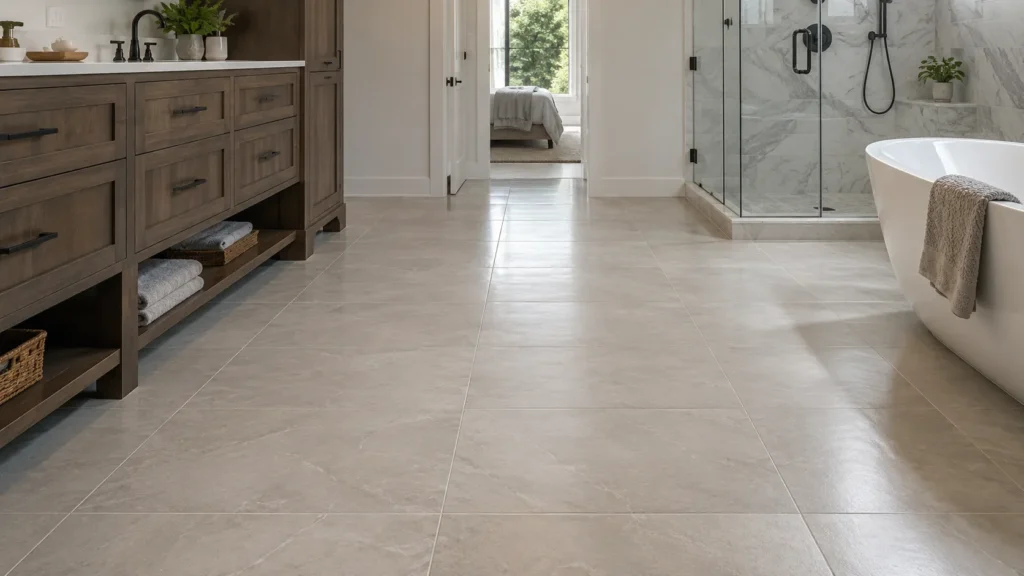
Tile flooring is one of the most durable flooring materials, especially for wet and high-traffic areas. Common tile options include ceramic tile, porcelain tile, and natural stone tile. Tile is widely used in bathrooms, kitchens, laundry rooms, mudrooms, entryways, and some basements.
Porcelain tile is usually stronger and more water-resistant than standard ceramic tile, making it a strong option for moisture-prone spaces. However, tile installation must be done correctly. Poor subfloor preparation, weak mortar coverage, or missing waterproofing can lead to cracked tiles, loose tiles, or grout problems.
Best for: bathrooms, kitchens, laundry rooms, mudrooms, entryways
Avoid in: rooms where softness and warmth are the main priority
Pros:
- Excellent water resistance
- Very durable
- Easy to clean
- Good for high-traffic areas
- Works well with radiant heating
Cons:
- Hard and cold underfoot
- Installation can be expensive
- Grout needs maintenance
- Cracks can occur if the subfloor moves
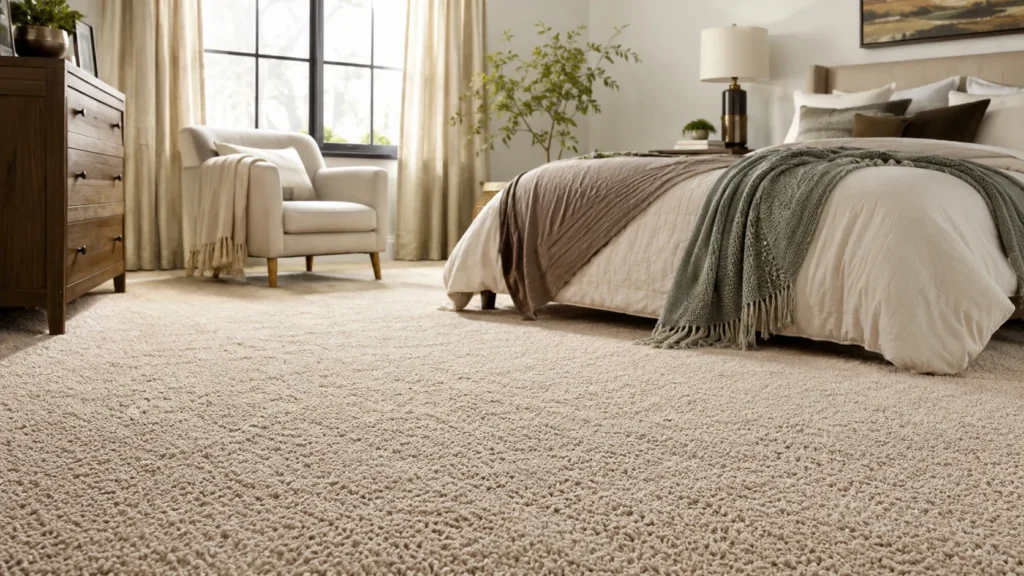
Carpet Flooring
Carpet flooring is soft, warm, and comfortable, making it a popular choice for bedrooms, family rooms, upstairs rooms, and low-traffic living areas. It also helps reduce noise, which makes it useful in homes with children, multi-story spaces, or rooms where comfort matters most.
Carpet quality depends on fiber type, pile height, density, padding, and stain resistance. A good carpet pad can improve comfort and extend the life of the carpet, while poor padding can make even a good carpet wear out faster.
Carpet is not the best option for bathrooms, kitchens, or damp basements because it can absorb moisture, stains, odors, and allergens.
Best for: bedrooms, family rooms, upstairs rooms, cozy living spaces
Avoid in: bathrooms, kitchens, damp basements, heavy spill areas
Pros:
- Soft and comfortable
- Warm underfoot
- Helps reduce noise
- Budget-friendly options available
Cons:
- Can stain easily
- Holds dust and odors
- Not ideal for moisture-prone areas
- Needs regular vacuuming and cleaning
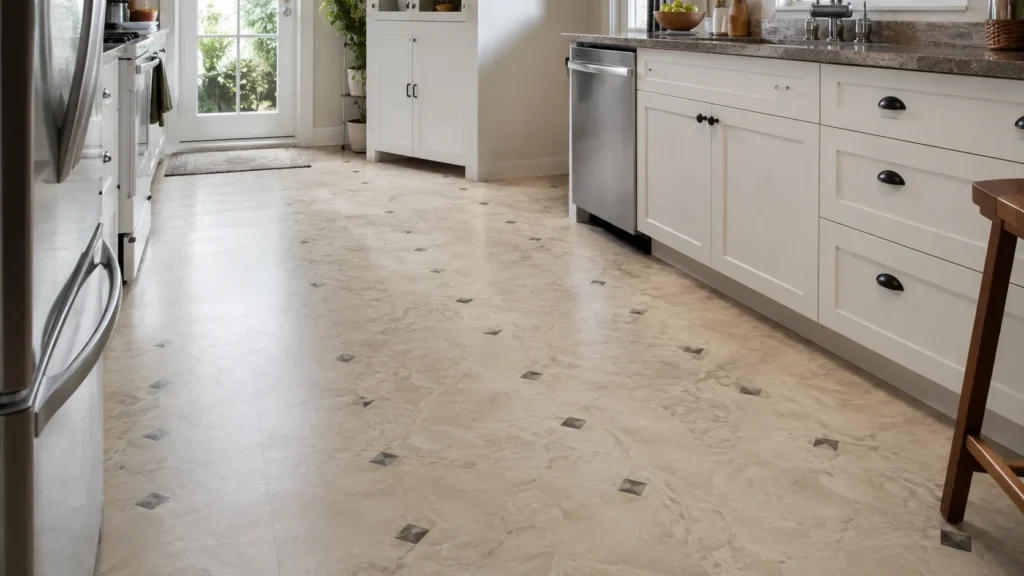
Linoleum Flooring
Linoleum flooring is a resilient flooring material made from natural ingredients such as linseed oil, wood flour, cork dust, and mineral fillers. Many people confuse linoleum with vinyl, but they are different materials. Linoleum is often chosen by homeowners who want a durable and more natural flooring option.
Linoleum can work well in kitchens, utility rooms, hallways, and some commercial spaces. It is comfortable underfoot and available in many colors and patterns. However, it must be installed correctly because seams and edges can be vulnerable to moisture if not sealed properly.
Best for: kitchens, hallways, utility rooms, eco-conscious homes
Avoid in: very wet areas with poor seam protection
Pros:
- Made from natural materials
- Durable with proper care
- Comfortable underfoot
- Good design flexibility
Cons:
- Needs proper installation
- May require sealing or maintenance
- Not as waterproof as some vinyl products
- Moisture can damage seams if neglected
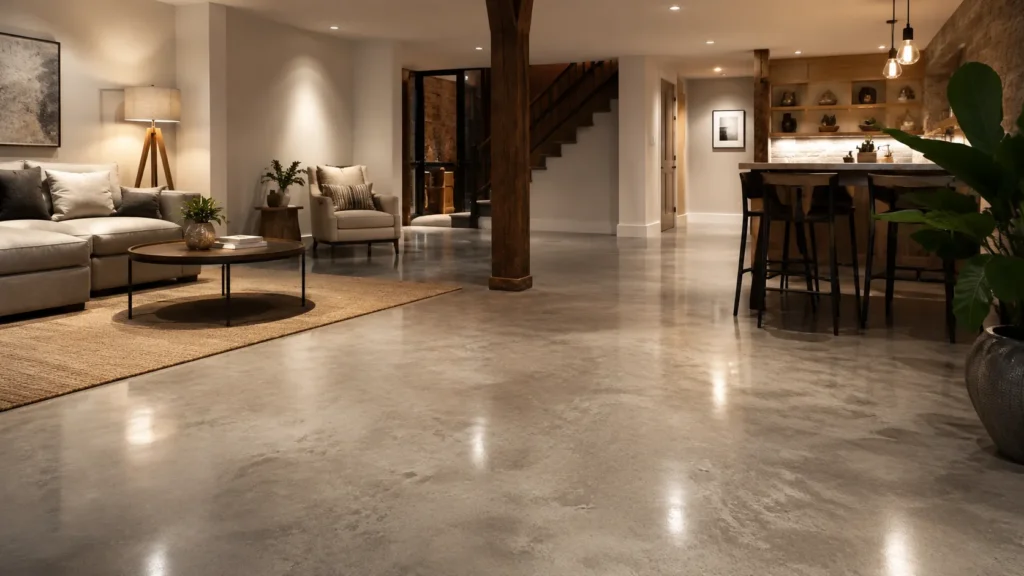
Concrete Flooring
Concrete flooring is a strong and long-lasting option often used in basements, garages, modern homes, workshops, and commercial spaces. It can be polished, stained, sealed, or coated with epoxy to create different looks and performance levels.
Concrete is highly durable, but it is also hard and cold underfoot. It works best in spaces where strength, easy cleaning, and moisture resistance are more important than softness or warmth. Before finishing concrete floors, moisture testing is important because moisture vapor can damage coatings, sealers, or adhesives.
Best for: garages, basements, workshops, modern interiors, commercial spaces
Avoid in: bedrooms or comfort-focused rooms unless rugs are used
Pros:
- Very durable
- Easy to clean when sealed
- Good for high-traffic areas
- Modern and minimal appearance
Cons:
- Hard underfoot
- Can feel cold
- May crack over time
- Needs proper sealing or coating
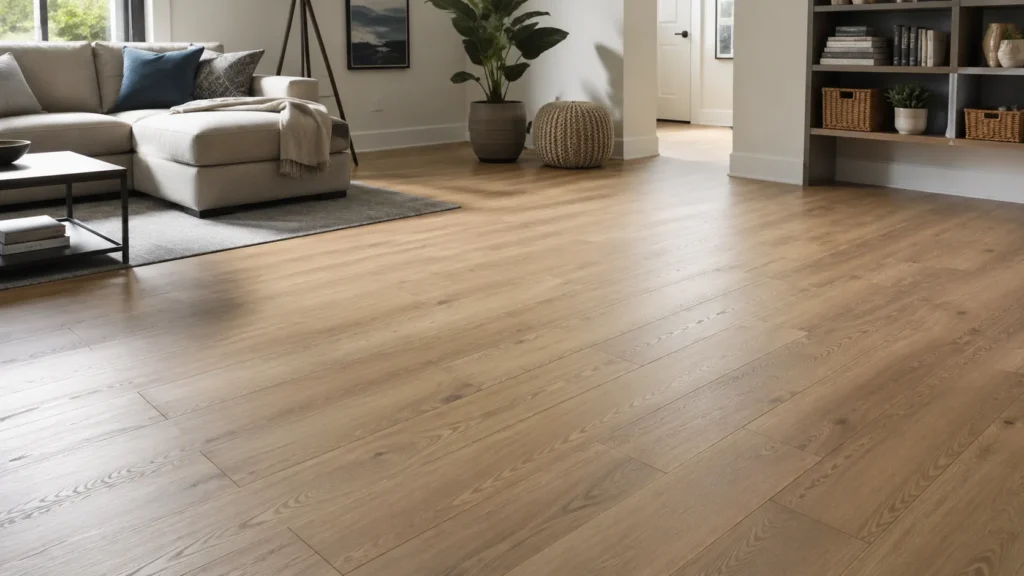
Laminate Flooring
Laminate flooring is a budget-friendly flooring option designed to look like hardwood, stone, or tile. It is made with multiple layers, including a wear layer, printed design layer, core layer, and backing layer. Laminate is popular because it offers attractive designs at a lower cost than hardwood or tile.
Laminate works well in living rooms, bedrooms, hallways, and rental properties. Many modern laminate products offer better scratch resistance than older versions, making them useful for busy homes. However, standard laminate is not ideal for bathrooms, laundry rooms, or damp basements unless it is specifically rated for water resistance.
Best for: living rooms, bedrooms, hallways, rental homes
Avoid in: bathrooms, wet basements, laundry rooms unless water-resistant rated
Pros:
- Affordable
- Scratch-resistant
- Many wood-look designs
- DIY-friendly click-lock installation
Cons:
- Can be damaged by moisture
- Cannot be refinished
- May sound hollow without good underlayment
- Lower long-term value than hardwood
Quick Flooring Type Comparison
| Flooring Type | Best For | Moisture Resistance | Maintenance Level | Main Warning |
| Hardwood flooring | Living rooms, bedrooms, dining rooms | Low | Medium | Avoid wet areas |
| Vinyl flooring | Kitchens, bathrooms, basements, pets | High | Easy | Check wear layer and quality |
| Tile flooring | Bathrooms, kitchens, entryways | Very High | Easy to Medium | Installation quality matters |
| Carpet flooring | Bedrooms, family rooms | Low | Medium | Not good for moisture |
| Linoleum flooring | Kitchens, hallways, utility rooms | Medium | Medium | Seams need protection |
| Concrete flooring | Garages, basements, commercial spaces | High if sealed | Easy | Can feel hard and cold |
| Laminate flooring | Living rooms, bedrooms, hallways | Low to Medium | Easy | Moisture can damage core |
Best Flooring by Room
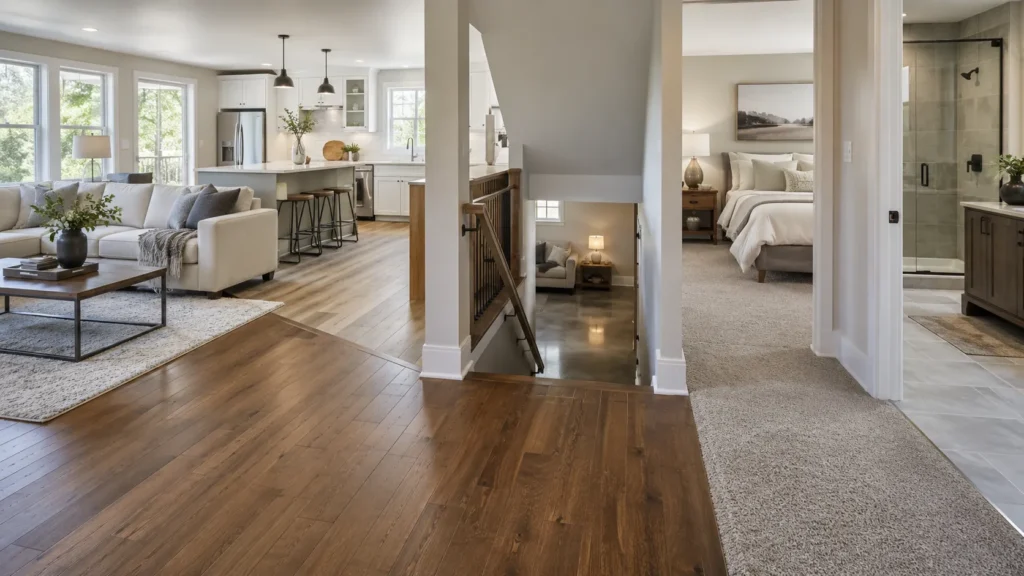
Best Flooring for Kitchens
The best kitchen flooring usually handles spills, dropped utensils, cleaning, and heavy foot traffic.
Best choices:
- LVP or LVT
- Porcelain tile
- Sheet vinyl
- SPC flooring
- Properly sealed linoleum
- Engineered wood only when moisture risk is controlled
Avoid: carpet, unsealed wood, and low-quality laminate.
Best Flooring for Bathrooms
Bathrooms need water-resistant or waterproof systems.
Best choices:
- Porcelain tile
- Ceramic tile
- Sheet vinyl
- LVT
- Waterproof vinyl plank
- Natural stone if properly sealed
Avoid: solid hardwood, carpet, and basic laminate.
Best Flooring for Basements
Basements are about moisture first, appearance second.
Best choices:
- LVP
- SPC flooring
- WPC flooring
- Porcelain tile
- Polished concrete
- Epoxy
- Carpet tile only in dry basements
Before installing basement flooring, check moisture in the concrete slab. A beautiful floor over a damp slab can fail fast.
Best Flooring for Bedrooms
Bedrooms usually need comfort, warmth, and quiet.
Best choices:
- Carpet
- Hardwood
- Engineered wood
- Laminate
- LVP
- Cork
Carpet is still a strong bedroom option because it feels soft and reduces sound.
Best Flooring for Living Rooms
Living rooms need a balance of appearance, durability, and comfort.
Best choices:
- Hardwood
- Engineered wood
- Laminate
- LVP
- Carpet
- Natural stone or tile in warm climates
For resale-focused homeowners, hardwood or quality engineered wood is often worth considering in dry living spaces.
Best Flooring for Pets
Pet-friendly flooring should resist scratches, moisture, stains, and odors.
Best choices:
- LVP
- SPC
- Porcelain tile
- Waterproof laminate
- Stain-resistant carpet tiles
Avoid soft woods, glossy dark floors that show scratches, and carpet in homes with frequent pet accidents.
Best Flooring for High-Traffic Areas
High-traffic areas need wear resistance and easy cleaning.
Best choices:
- Porcelain tile
- LVP/LVT
- SPC
- Commercial carpet tile
- Laminate with strong AC rating
- Engineered wood with a durable finish
Flooring Costs: What Affects the Budget?
Flooring costs depend on material, room size, labor, removal, subfloor repair, underlayment, transitions, stairs, pattern layout, and waste.
Main cost factors:
- Material price per square foot
- Labor cost per square foot
- Old flooring removal
- Subfloor leveling or repair
- Underlayment or moisture barrier
- Trim, transitions, and baseboards
- Stair work
- Waste factor
- Pattern complexity
- Warranty and product quality
A cheap floor can become expensive if the subfloor needs repair or if the material fails early. For example, saving money on thin vinyl or low-quality laminate may not help if it dents, separates, swells, or needs replacement sooner.
Flooring Installation Methods
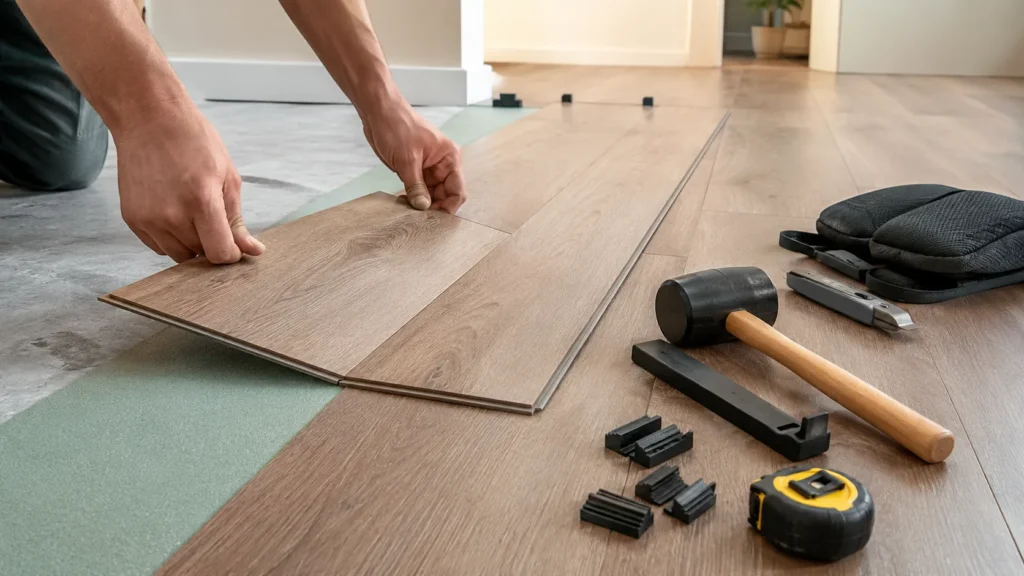
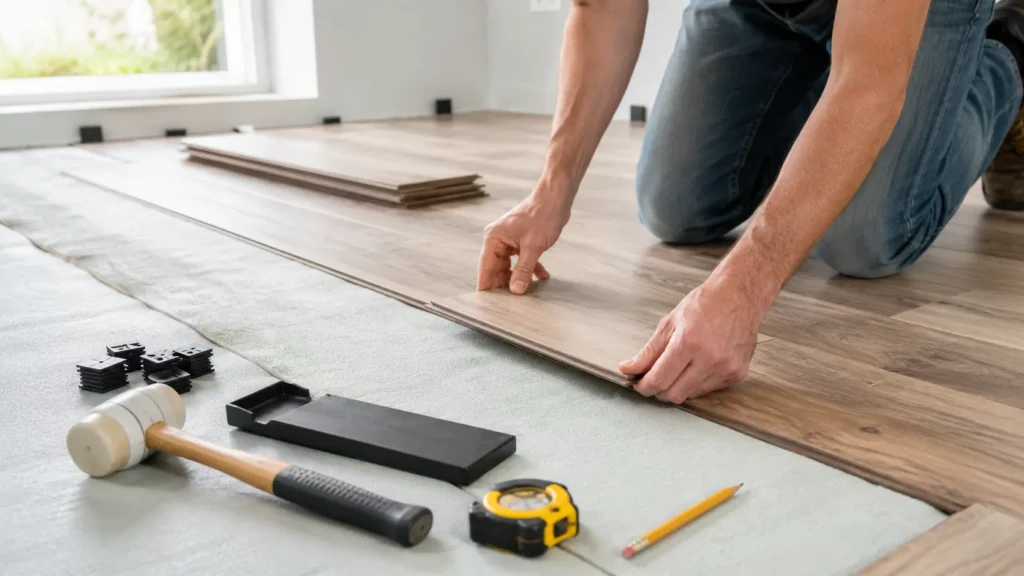
Floating Floor
A floating floor clicks together and rests over the underlayment without being glued or nailed to the subfloor.
Common materials: laminate, LVP, SPC, WPC, some engineered wood.
Best for: DIY projects and faster installations.
Watch for: expansion gaps, uneven subfloors, and broken locking joints.
Glue-Down Installation
Glue-down floors use adhesive to bond the floor to the subfloor.
Common materials: vinyl, engineered wood, carpet tile, some linoleum.
Best for: commercial spaces, stable installations, and some large areas.
Watch for: adhesive compatibility, moisture, and subfloor cleanliness.
Nail-Down or Staple-Down Installation
This is common for solid hardwood and some engineered wood over wood subfloors.
Best for: long-term wood flooring installations.
Watch for: moisture, squeaks, proper fastener spacing, and acclimation.
Tile Mortar Installation
Tile is set in mortar and finished with grout.
Best for: bathrooms, kitchens, mudrooms, and wet areas.
Watch for: waterproofing, movement joints, subfloor deflection, and grout maintenance.
Why Subfloor Preparation Matters
The subfloor is the foundation under the finished floor. If the subfloor is uneven, damp, dirty, weak, or unstable, the new floor can fail even if the material is high quality.
Installers usually check:
- Flatness
- Moisture
- Cracks
- Soft spots
- Squeaks
- Old adhesive
- Cleanliness
- Level changes between rooms
- Manufacturer installation requirements
From field experience, subfloor preparation is where many rushed flooring jobs fail. A click-lock floor can separate, tile can crack, hardwood can cup, and vinyl can telegraph bumps if the base is not right.
Common Flooring Problems
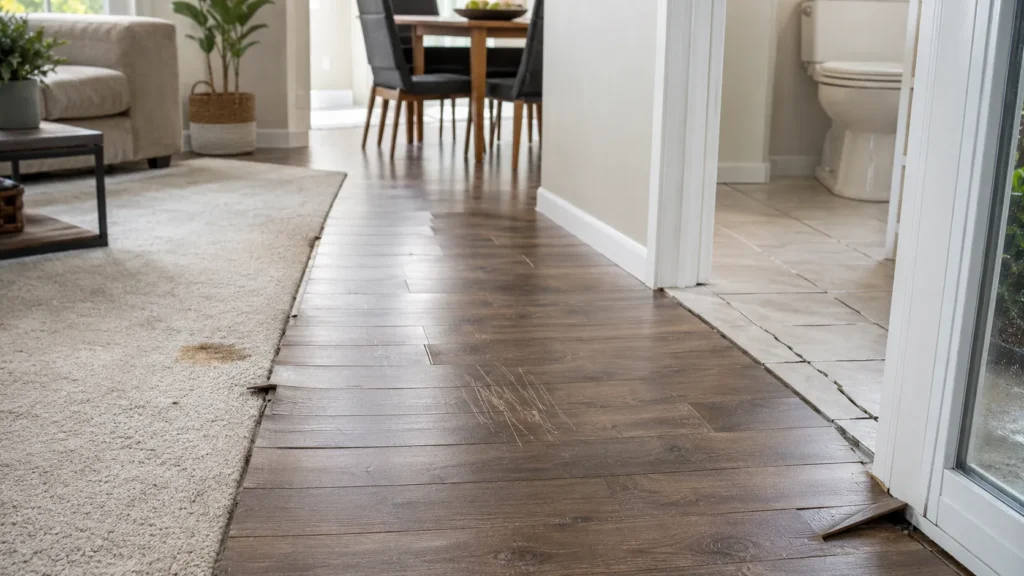
1. Moisture Damage
Moisture can cause cupping, swelling, mold risk, adhesive failure, odors, and buckling.
Common causes:
- Wet slab
- Plumbing leaks
- Poor bathroom waterproofing
- No moisture barrier
- Wet mopping wood or laminate
- Basement humidity
2. Scratches and Dents
Pets, chairs, grit, furniture legs, and high heels can damage floors.
Prevention:
- Use felt pads
- Keep pet nails trimmed
- Place mats at entries
- Avoid dragging furniture
- Choose a harder or more scratch-resistant material
3. Gapping and Buckling
Gapping and buckling often happen when flooring expands or shrinks from moisture, temperature, or poor installation.
Common causes:
- No expansion gap
- Poor acclimation
- Moisture imbalance
- Wrong installation method
- Improper fastening
4. Hollow Sounds
Floating floors can sound hollow if the underlayment is wrong or the subfloor is not flat.
5. Cracked Tile or Grout
Tile cracks often come from movement below the tile, not just the tile itself.
Common causes:
- Weak subfloor
- No uncoupling membrane where needed
- Poor mortar coverage
- Structural movement
- Heavy impact
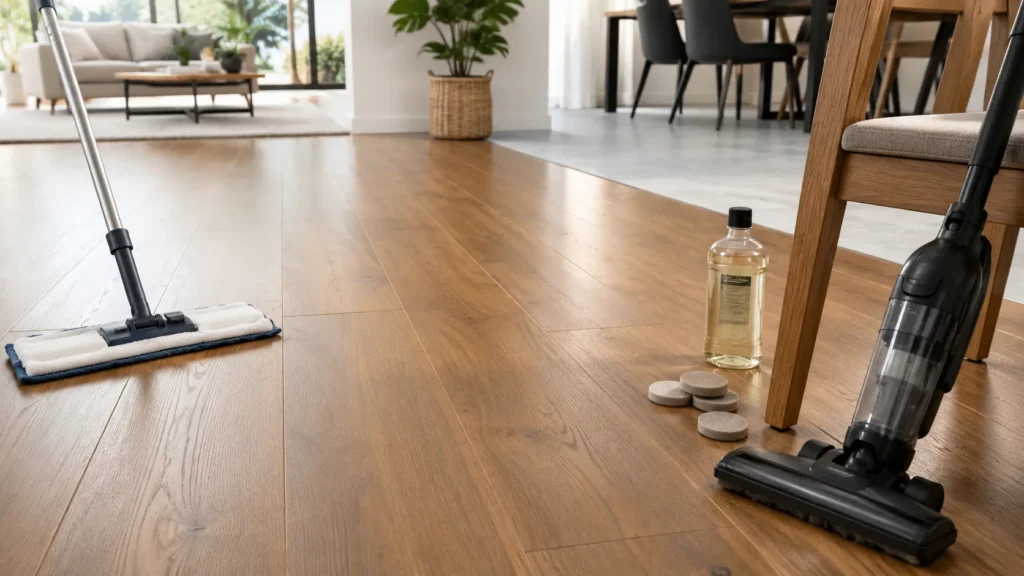
Flooring Maintenance by Material
| Material | Maintenance Advice |
| Hardwood | Sweep often, clean spills fast, avoid wet mops, use furniture pads, refinish when needed. |
| Engineered Wood | Use damp-not-wet cleaning, protect from sunlight, follow manufacturer cleaner rules. |
| Laminate | Vacuum or dust mop, avoid standing water, use laminate-safe cleaner. |
| LVP/LVT | Sweep, damp mop, avoid harsh chemicals, use furniture protectors. |
| Tile | Mop regularly, clean grout, reseal grout or stone when needed. |
| Carpet | Vacuum often, spot clean quickly, deep clean periodically, use good padding. |
| Linoleum | Sweep, damp mop, protect seams, reseal if recommended. |
| Concrete/Epoxy | Sweep, mop, avoid harsh abrasives, maintain sealer or coating. |
When DIY Flooring Makes Sense
DIY can work well for:
- Click-lock laminate
- Click-lock LVP
- Some floating engineered wood
- Peel-and-stick vinyl in small, low-risk areas
- Simple carpet tile
- Basic demolition
DIY is risky for:
- Large tile jobs
- Full bathroom tile systems
- Nail-down hardwood
- Glue-down commercial vinyl
- Patterned layouts
- Stairs
- Moisture-prone basements
- Uneven subfloors
Hire a professional when moisture, structural movement, stairs, expensive materials, or warranty-sensitive installation is involved.
Final Expert Recommendation
The best flooring is not the same for every home. For most USA homeowners, start by choosing based on the room first:
- Kitchen: LVP, LVT, SPC, porcelain tile
- Bathroom: porcelain tile, ceramic tile, sheet vinyl, LVT
- Basement: LVP, SPC, tile, polished concrete, epoxy
- Bedroom: carpet, hardwood, engineered wood, cork
- Living room: hardwood, engineered wood, laminate, LVP
- Pets and kids: LVP, SPC, porcelain tile, waterproof laminate
- High traffic: porcelain tile, SPC, LVP, commercial carpet tile
Before buying, check the subfloor, moisture level, warranty, installation method, thickness, wear layer, cleaning needs, and repairability. A floor that fits the room will usually outperform a floor chosen only because it looks good.
FAQ
What is the best flooring for most homes?
For many homes, luxury vinyl plank, engineered wood, laminate, tile, and carpet are the most practical options. The best choice depends on the room, moisture level, budget, foot traffic, pets, kids, and maintenance expectations.
What flooring is best for kitchens?
LVP, LVT, SPC, porcelain tile, ceramic tile, and sheet vinyl are strong kitchen choices because they handle spills and cleaning better than many wood-based floors.
What flooring is best for bathrooms?
Porcelain tile, ceramic tile, sheet vinyl, and LVT are usually best for bathrooms. Avoid carpet, solid hardwood, and basic laminate because bathroom moisture can cause damage.
What flooring is best for basements?
LVP, SPC, WPC, porcelain tile, polished concrete, and epoxy are good basement options. Always check slab moisture before installing any basement flooring.
Is vinyl flooring better than laminate?
Vinyl is usually better for moisture-prone rooms, while laminate can be better for budget-friendly wood-look spaces where water exposure is low. For kitchens, bathrooms, and basements, vinyl is usually safer.
Is hardwood flooring worth it?
Hardwood can be worth it in dry rooms where long-term value, natural beauty, and refinishing potential matter. It is not the best choice for bathrooms, damp basements, or homes needing waterproof flooring.
What is the easiest flooring to maintain?
LVP, LVT, porcelain tile, SPC, and sealed concrete are among the easiest floors to maintain. Carpet and natural hardwood usually require more care.
What is the most durable flooring?
Porcelain tile, SPC, quality LVP, concrete, and epoxy are very durable choices. Durability depends on product quality, installation, subfloor prep, and room conditions.